

Radioisotope Power Systems
Space nuclear power to explore the deepest, dustiest, darkest, and most distant regions of our solar system and beyond.
TODAY
Active Missions
Years in Service at NASA
Active Missions

Voyager 1
45+ Years in Space
Voyager 2
45+ Years in Space

New Horizons
18+ Years in Space

Curiosity
11+ Years on Mars

Perseverance
2+ Years on Mars
RPS — short for radioisotope power systems — are a type of nuclear energy technology that uses heat to produce electric power for operating spacecraft systems and science instruments. That heat is produced by the natural radioactive decay of plutonium-238.

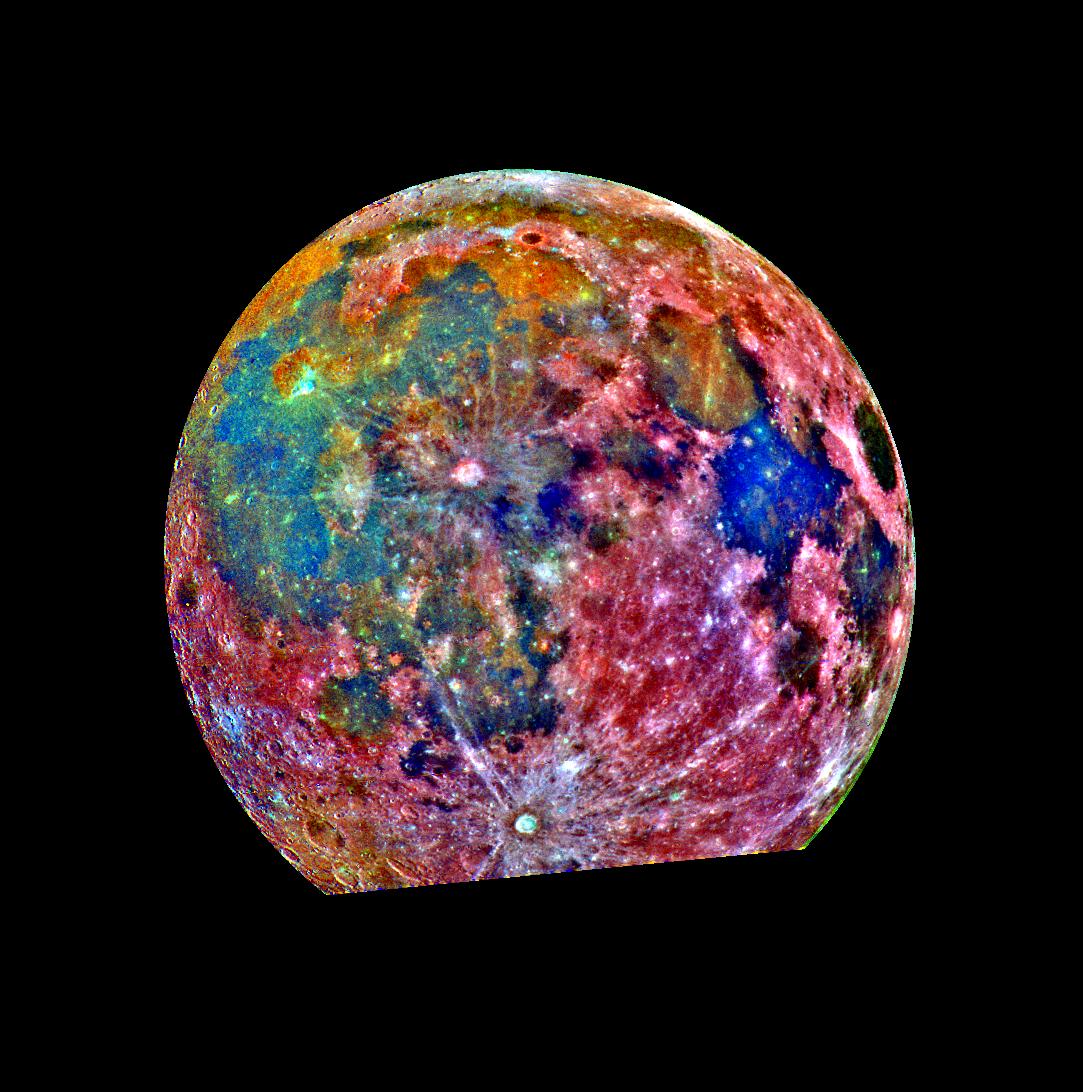
Powered by RPS: Great Shots from Around the Solar System








Why Radioisotope Power Systems?
- 01
From a Source of Heat Comes Power to Explore
RPS provide electricity and heat that can enable spacecraft to undertake scientific missions to environments beyond the capabilities of solar power, chemical batteries and fuel cells.
- 02
A Critical Technology
RPS offer the key advantage of operating continuously over long-duration space missions, largely independent of changes in sunlight, temperature, charged particle radiation, or surface conditions like thick clouds or dust. Some of the excess heat produced by RPS can be used to enable spacecraft systems to operate in extremely cold environments.
- 03
A Legacy of Exploration
RPS have enabled NASA's exploration of the solar system since the Apollo era of the late 1960s. Five radioisotope power systems powered missions are currently active.


