Saturn
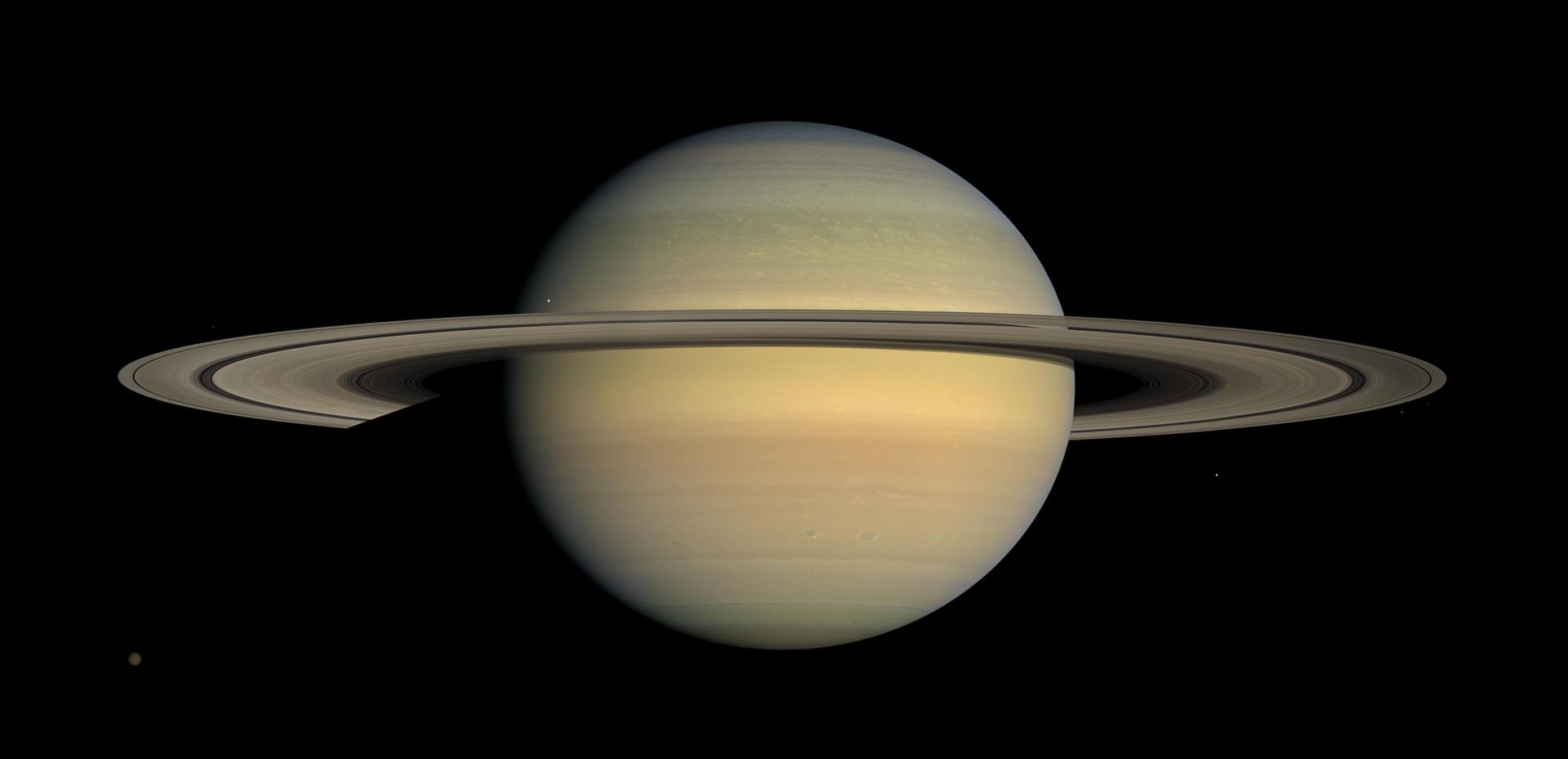
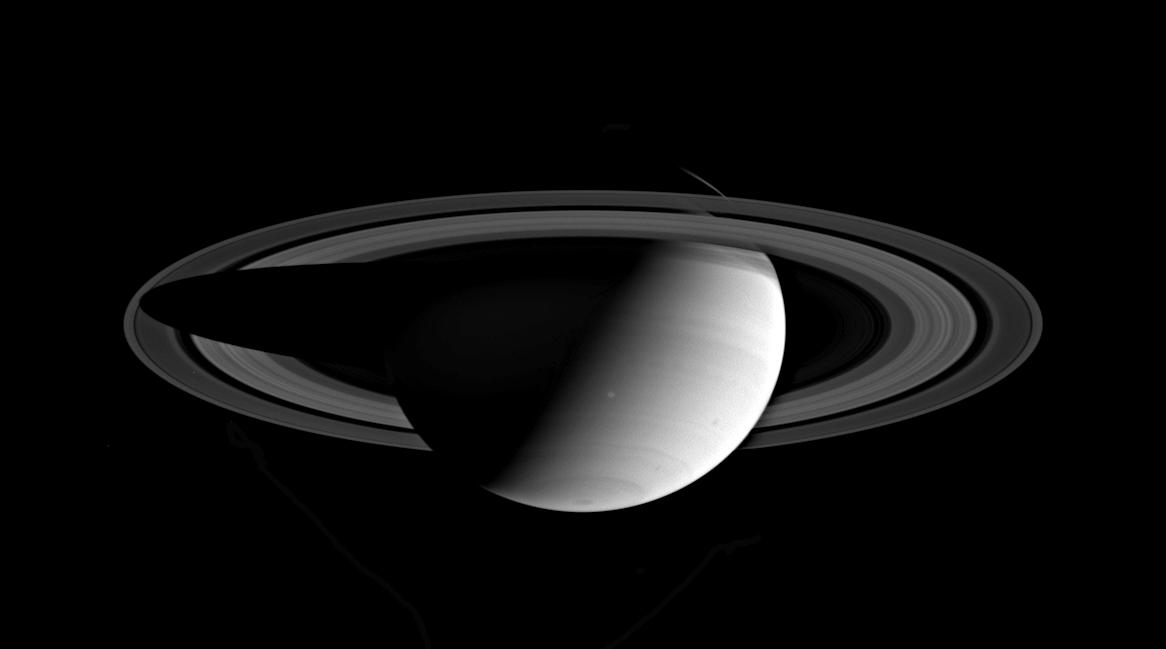
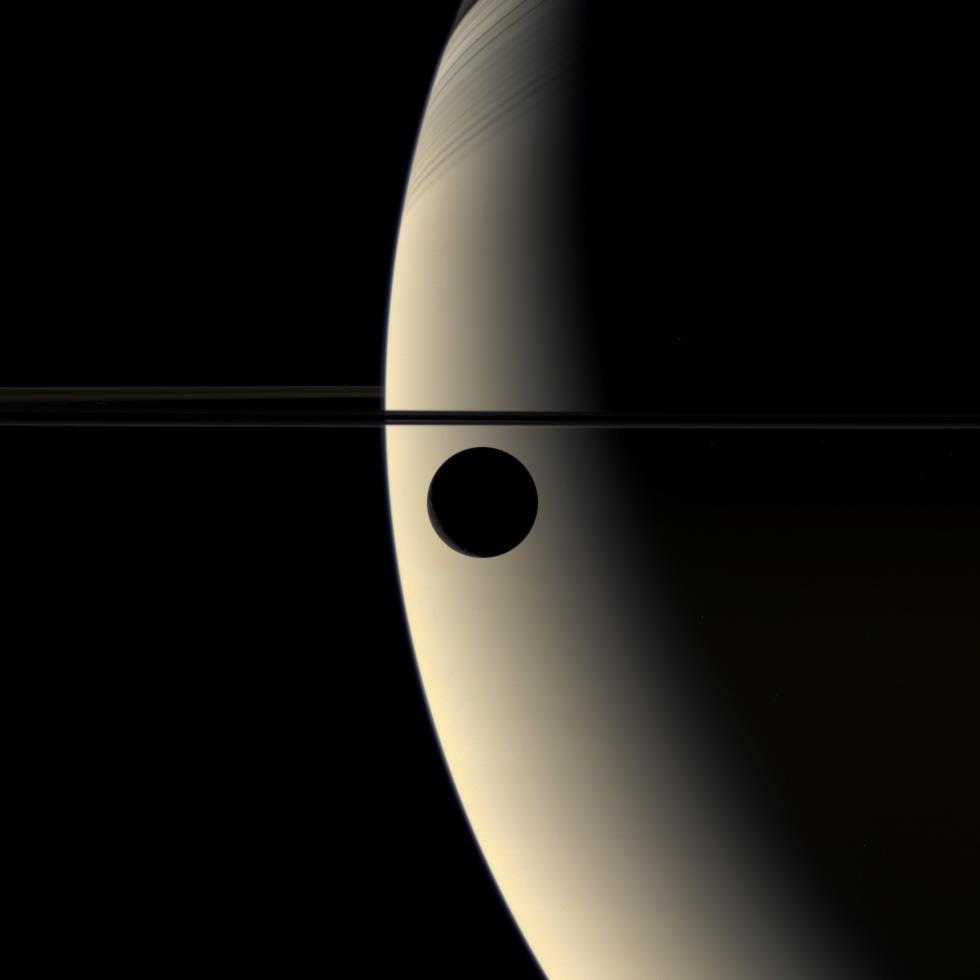
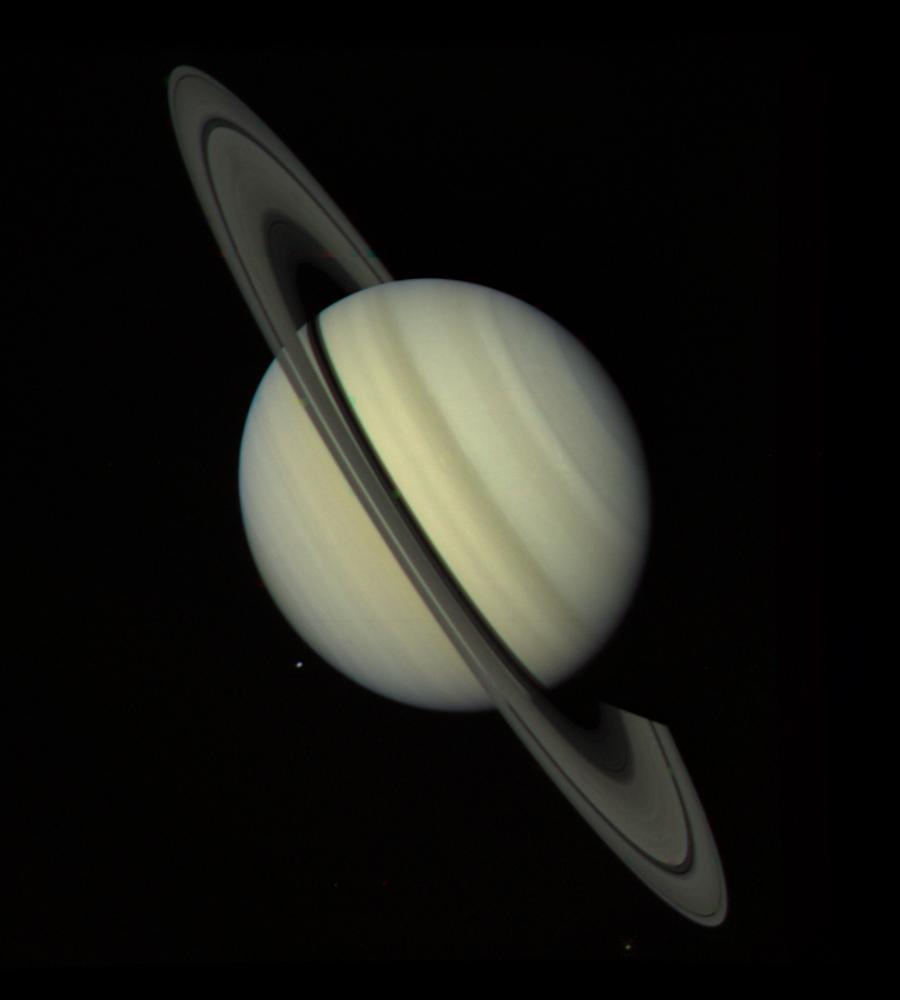
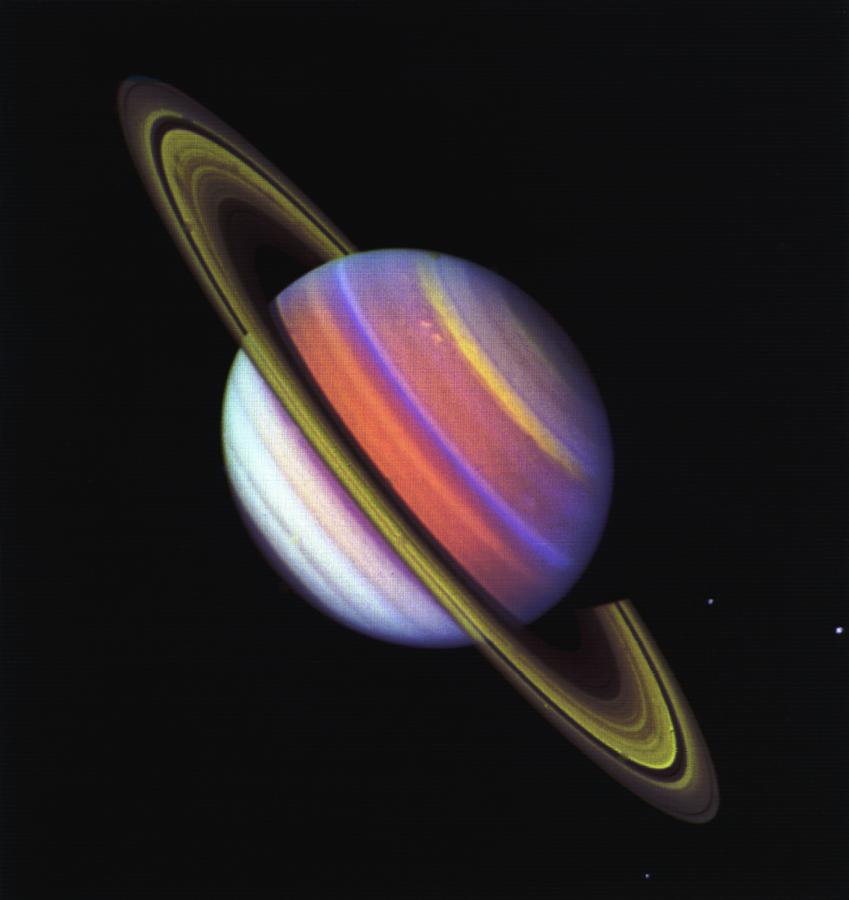
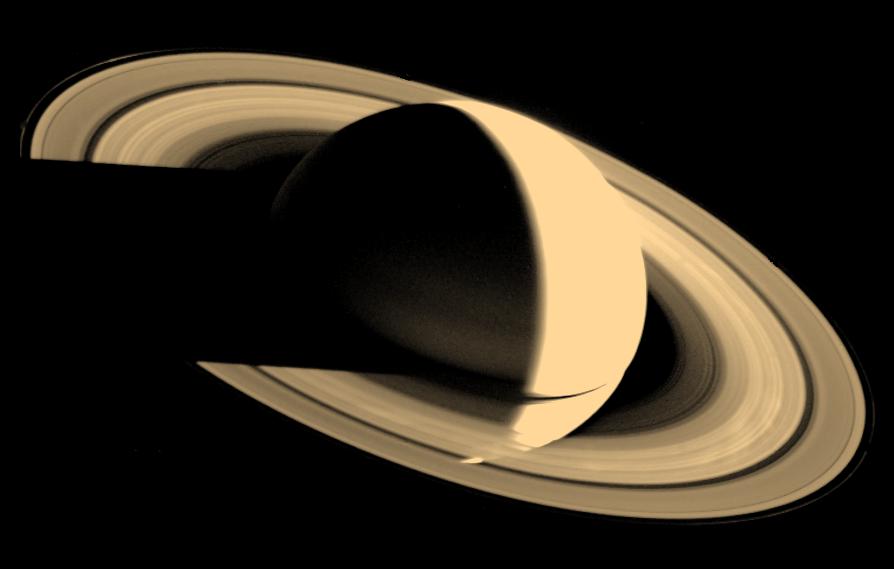
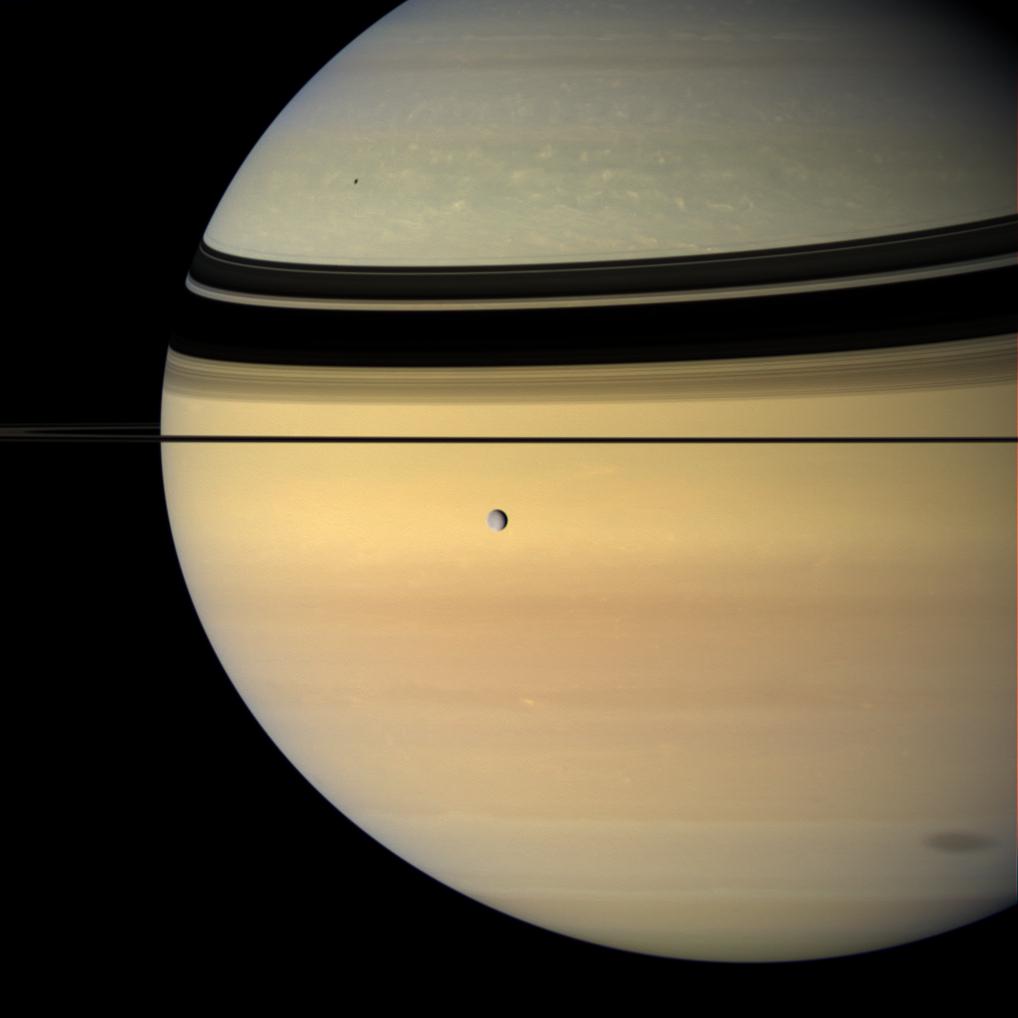
Saturn is the sixth planet from the Sun, and the second largest in the solar system. It’s surrounded by beautiful rings.
10 Things about saturn

Second Largest
Nine Earths would almost span Saturn’s diameter.

Sixth from the Sun
Saturn is 9.5 AU from the Sun. Earth = 1.

Long Year
It takes 29 Earth years for Saturn to orbit the Sun.

No Surface
This gas giant world may have a small core.

Bring a Spacesuit
Saturn's atmosphere is mostly hydrogen and helium.

King of the Moons
Saturn has the most: 146.

The Nicest Rings
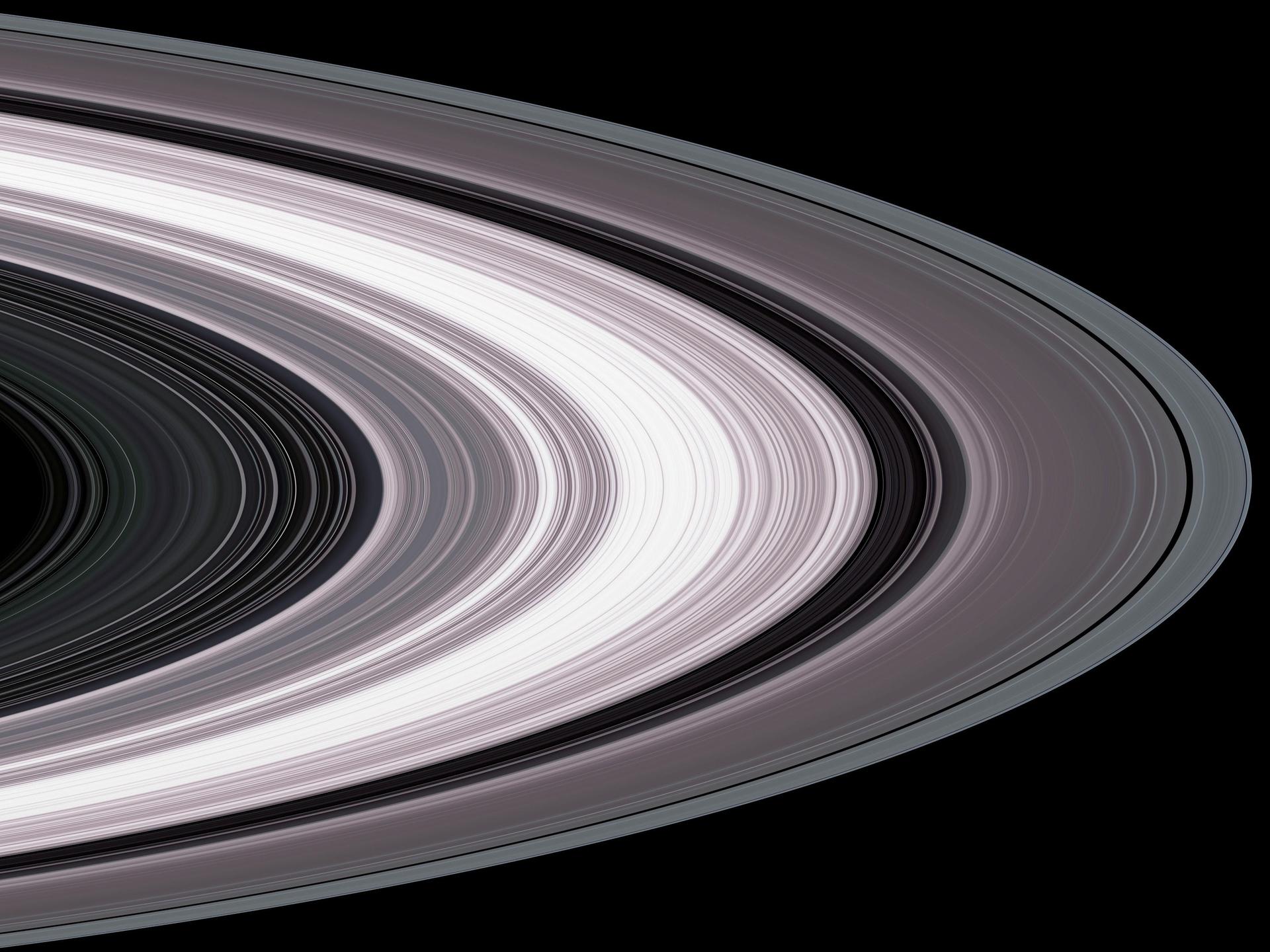
Eight rings make for a spectacular system.

Distant Destination
Four missions visited Saturn; one has orbited.

Not Suitable For Life
Saturn can't support life as we know it.

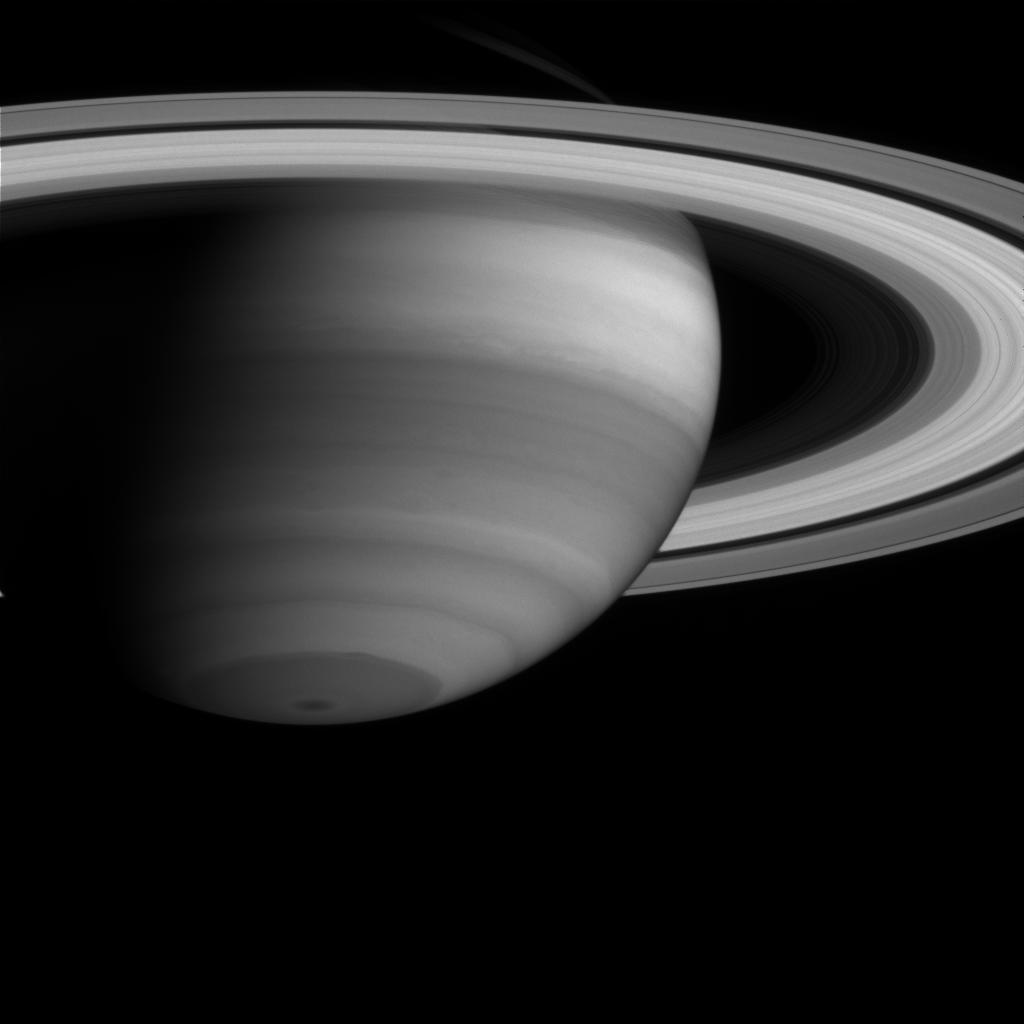
Cloud Hexagon
A powerful jet stream shapes the clouds.
Planet Saturn Overview
Saturn is the sixth planet from the Sun and the second largest planet in our solar system. Adorned with a dazzling system of icy rings, Saturn is unique among the planets.
It is not the only planet to have rings, but none are as spectacular or as complex as Saturn's. Like fellow gas giant Jupiter, Saturn is a massive ball made mostly of hydrogen and helium.
The farthest planet from Earth discovered by the unaided human eye, Saturn has been known since ancient times. The planet is named for the Roman god of agriculture and wealth, who was also the father of Jupiter.
Pop Culture
Perhaps the most iconic of all the planets in our solar system, Saturn is heavily present in pop culture.
It provides a backdrop for numerous science fiction stories, movies, and TV shows, comics, and video games, including the "Cthulhu Mythos," "WALL-E," "2001: A Space Odyssey," and "Star Trek." In Tim Burton's film "Beetlejuice," a dusty, fictional Saturn is populated by giant sandworms. And in the 2014 movie "Interstellar," the wormhole that enables the astronauts to travel to another galaxy appears near Saturn.
Saturn is also the namesake of Saturday, arguably the best day of the week.