National Aeronautics and Space Administration Logo
Follow this link to skip to the main content NASA Banner
Solar System Exploration
Planets
Pluto: Kids
   Gallery   Facts & Figures   News   FAQ 
   Back to Dwarf Planets   Overview   Read More   Moons 
Pluto - The Ice Dwarf

Pluto, the new dwarf planet. [Editor's note: See the Overview section on Pluto for new information regarding Pluto's status as a "dwarf planet".]

Pluto is named for the Roman god of the underworld. Venetia Burney, an 11-year-old girl from Oxford, England, suggested the name. Imagine if astronomers had listened to the New York Times. Right now you'd be reading about the planet Minerva!

Pluto and one of its moons - Charon - travel on an odd, slow orbit around the Sun. Pluto has two other known moons Nix and Hydra. For 20 years, from 1979 to 1999, Pluto was actually closer to the Sun than Neptune. But it will be more than 230 years before Pluto and Neptune again trade places.

Pluto may be the largest of a group of icy objects just beyond Neptune called the Kuiper Belt. The Kuiper Belt is made up of millions of icy and rocky objects. Astronomers think some comets come from the Kuiper Belt

Astronomers think the frozen objects in the Kuiper Belt may hold clues about the origin of our solar system - sort of like how fossils tell the story of dinosaurs on Earth.

Meet Dr. Alan Stern: Pluto Expert
WHAT'S IT LIKE ON PLUTO? Cold. How cold? Imagine a world so chilly that even the air can freeze and fall like snow. Brrrr. From Pluto, our Sun would look like a very bright star. There is no air to breathe on Pluto, so you would need a spacesuit to explore.

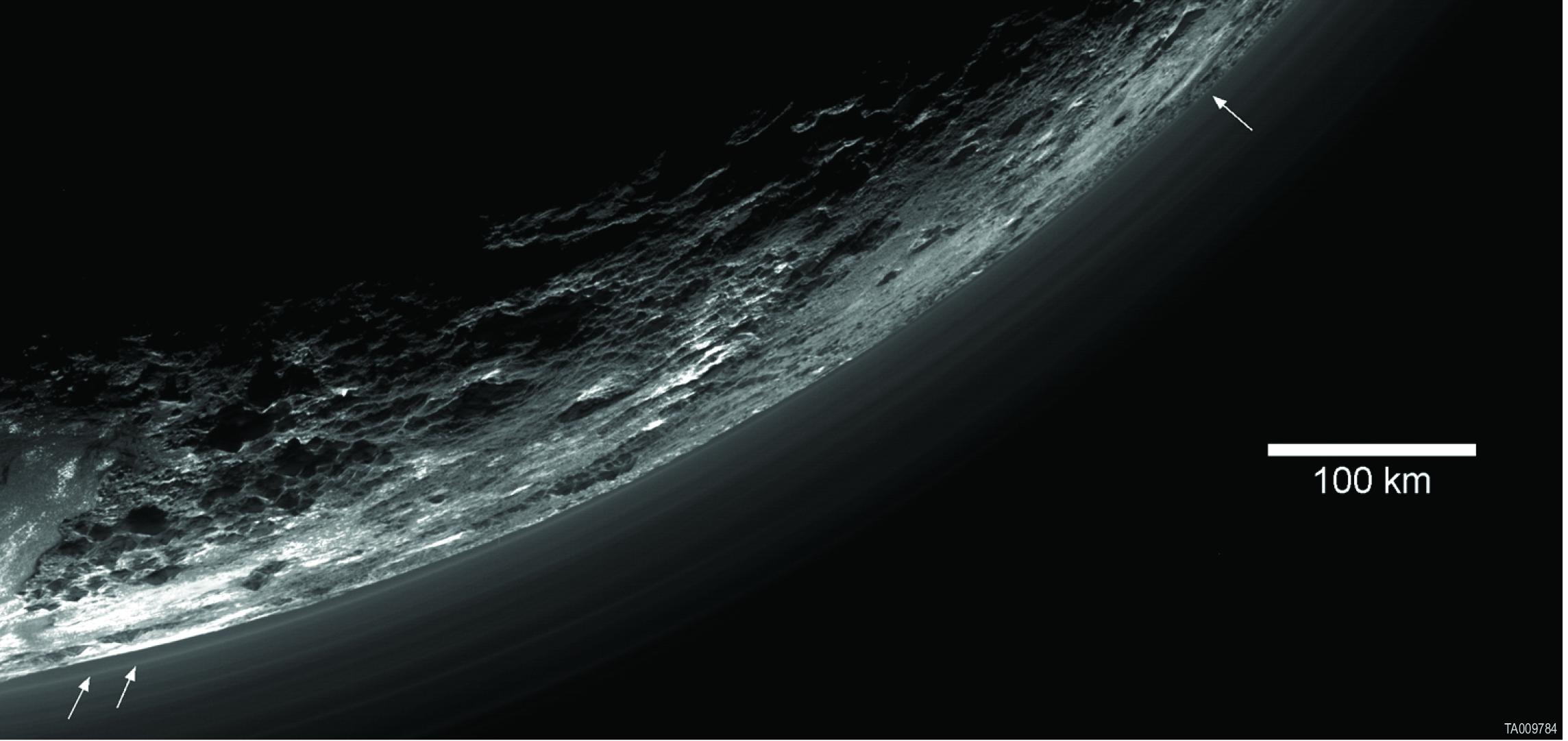
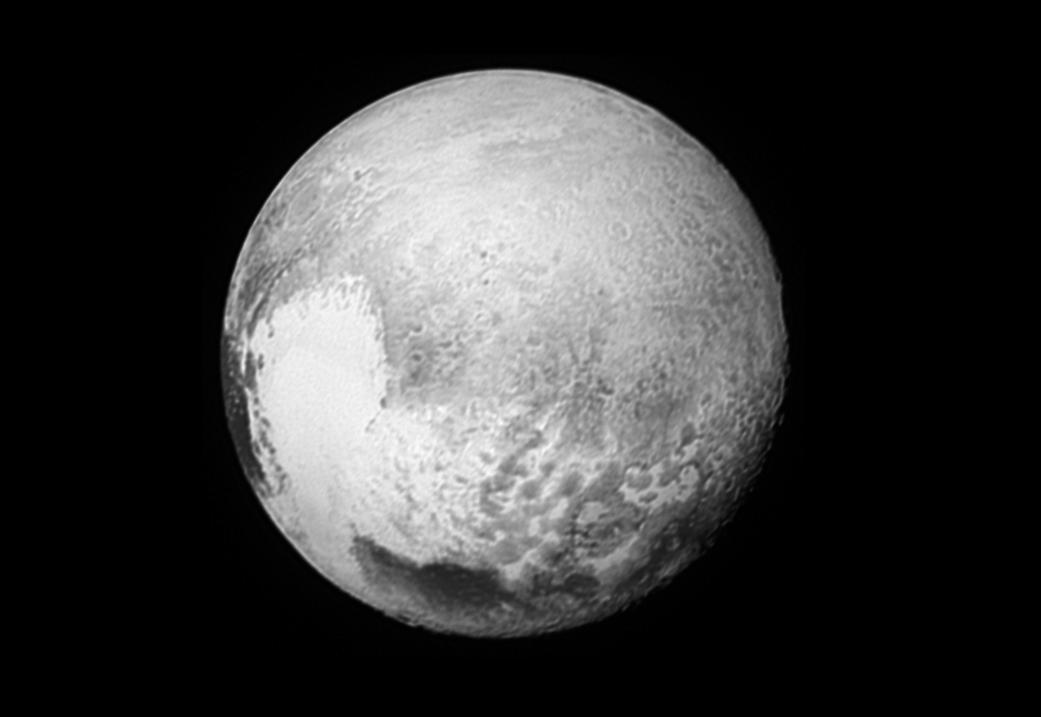
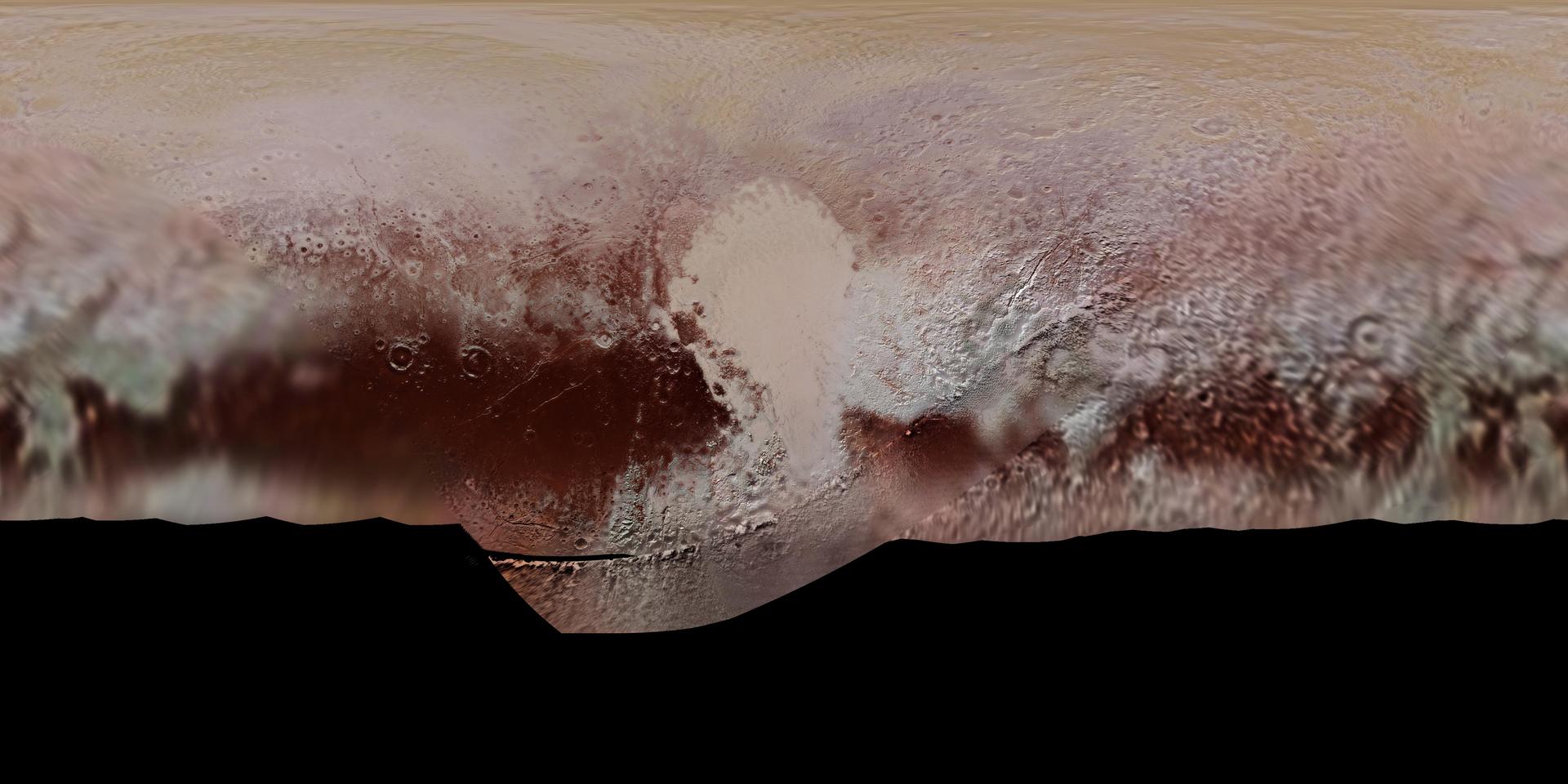
Pluto and Charon are so far away they are difficult to see - even with powerful telescopes. Even the best pictures are very fuzzy. We can only guess what Pluto's surface looks like. It is probably covered with frost. Some areas may be brighter than snow, while others are "darker than coal." Charon may be covered with ice. Imagine a giant skating rink.

Challenge Graphic
PLUTO CHALLENGE Musician Christine Lavin wrote a song about Pluto's status as planet. Do you think Pluto is a planet? Write your own song or poem to support your opinion.

New Horizons
Missions to Pluto
Featured Mission: New Horizons
Pluto is the only planet in our solar system not visited by a spacecraft. NASA is considering a mission called New Horizons to explore the mysteries of Pluto and the Kuiper Belt.
Go Figure!
248
Years it takes Pluto to travel around the sun. A Plutonian year.
2,700,000,000
Closest Pluto gets to the sun. About 4.7 billion km.
4,600,000,000
Farthest Pluto gets from the sun. About 7.4 billion km.
24
Astronomer Clyde Tombaugh's age when he discovered Pluto in 1930.
-356°F
Estimated average temperature on Pluto. About -215 °C..
-128°F
Coldest spot on Earth. Seems toasty compared to Pluto. Where do you think the coldest spot on Earth is?
6.4
Number of Earth days you'd need to stay up to equal one day on Pluto.
3
Known moons - or natural satellites - orbiting Pluto.
Awards and Recognition   Solar System Exploration Roadmap   Contact Us   Site Map   Print This Page
NASA Official: Kristen Erickson
Advisory: Dr. James Green, Director of Planetary Science
Outreach Manager: Alice Wessen
Curator/Editor: Phil Davis
Science Writers: Samantha Harvey & Autumn Burdick
Producer: Greg Baerg
Webmaster: David Martin
> NASA Science Mission Directorate
> Budgets, Strategic Plans and Accountability Reports
> Equal Employment Opportunity Data
   Posted Pursuant to the No Fear Act
> Information-Dissemination Policies and Inventories
> Freedom of Information Act
> Privacy Policy & Important Notices
> Inspector General Hotline
> Office of the Inspector General
> NASA Communications Policy
> USA.gov
> ExpectMore.gov
> NASA Advisory Council
> Open Government at NASA
Last Updated: 11 Jul 2012