About the Planets
Our solar system has eight planets, and five dwarf planets - all located in an outer spiral arm of the Milky Way galaxy called the Orion Arm.
Planets
Dwarf Planets
The solar system has eight planets: Mercury, Venus, Earth, Mars, Jupiter, Saturn, Uranus, and Neptune. There are five officially recognized dwarf planets in our solar system: Ceres, Pluto, Haumea, Makemake, and Eris.
The inner, rocky planets are Mercury, Venus, Earth, and Mars. These worlds also are known as terrestrial planets because they have solid surfaces. Mercury, Earth, and Mars are currently being explored by spacecraft. Two rovers are on the surface of Mars. NASA's rover – Perseverance – landed on Mars on Feb. 18, 2021. Three missions are in development to return to Venus.
The outer planets are gas giants Jupiter and Saturn, and ice giants Uranus and Neptune. NASA's Juno spacecraft is on an extended mission at Jupiter, and ESA's JUICE mission is on the way to the Jovian system. NASA's Europa Clipper is launching in October 2024 to explore Jupiter's icy moon, Europa. The agency's Dragonfly rotorcraft lander will launch to Saturn's moon, Titan, no earlier than 2028.
Beyond Neptune, a newer class of smaller worlds called dwarf planets reign, including longtime favorite Pluto. NASA's New Horizons spacecraft visited Pluto in 2015, and is currently exploring the Kuiper Belt beyond Pluto. The other dwarf planets are Ceres, Makemake, Haumea, and Eris. Ceres, by the way, is the only dwarf planet in the inner solar system. It's located in the main asteroid belt between Mars and Jupiter.
Thousands more planets have been discovered beyond our solar system. Scientists call them exoplanets (exo means "from outside").
Planet Facts
 01
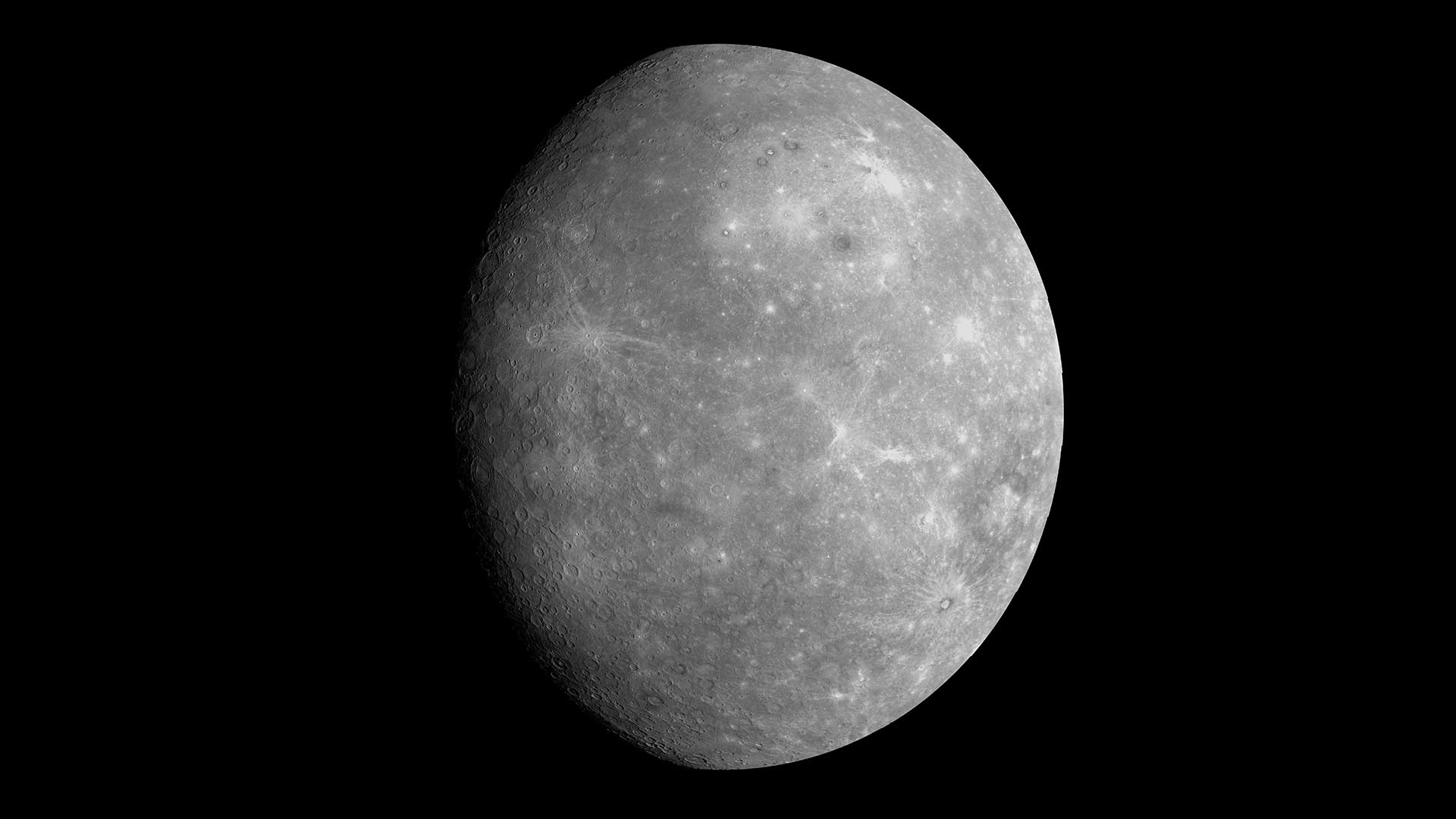
01Mercury Facts
The smallest planet in our solar system and nearest to the Sun, Mercury is only slightly larger than Earth's Moon. From the surface of Mercury, the Sun would appear more than three times as large as it does when viewed from Earth, and the sunlight would be as much as seven times brighter.
 02
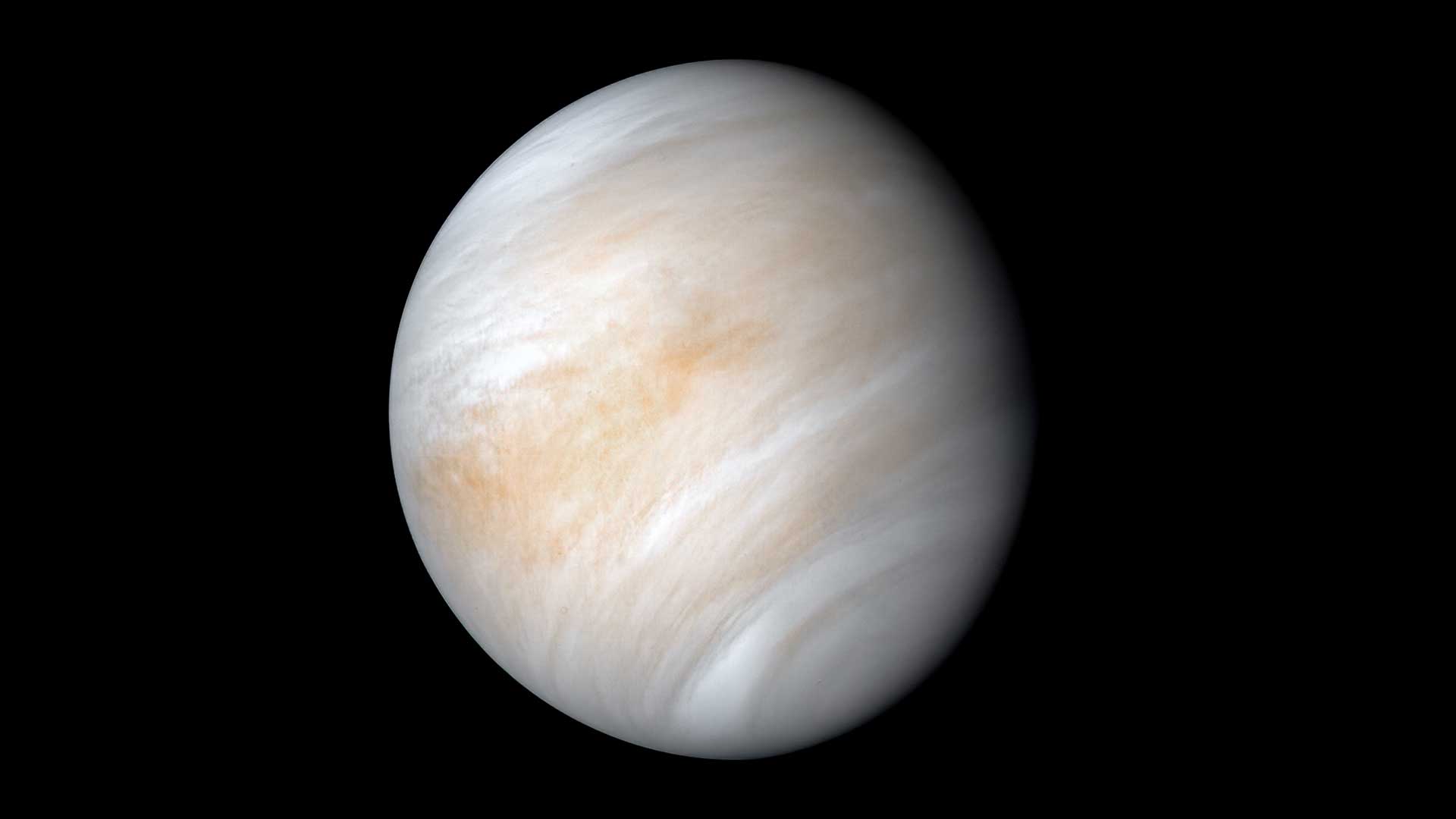
02Venus Facts
Venus is the second planet from the Sun, and Earth's closest planetary neighbor. It's the hottest planet in our solar system, and it is sometimes called Earth's twin.
 03
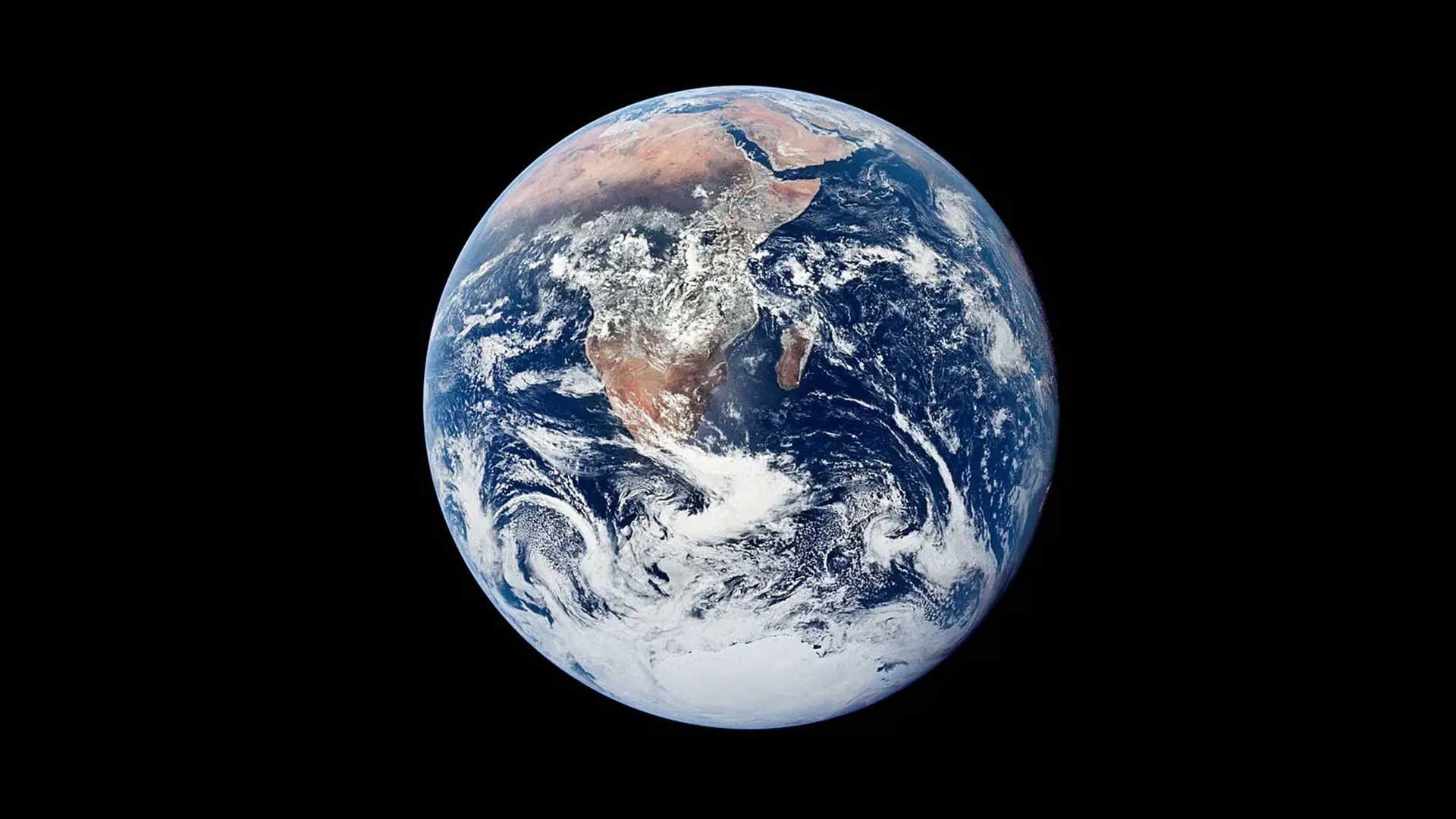
03Earth Facts
Earth – our home planet – is the third planet from the Sun, and the fifth largest planet. It's the only place we know of inhabited by living things.
 04
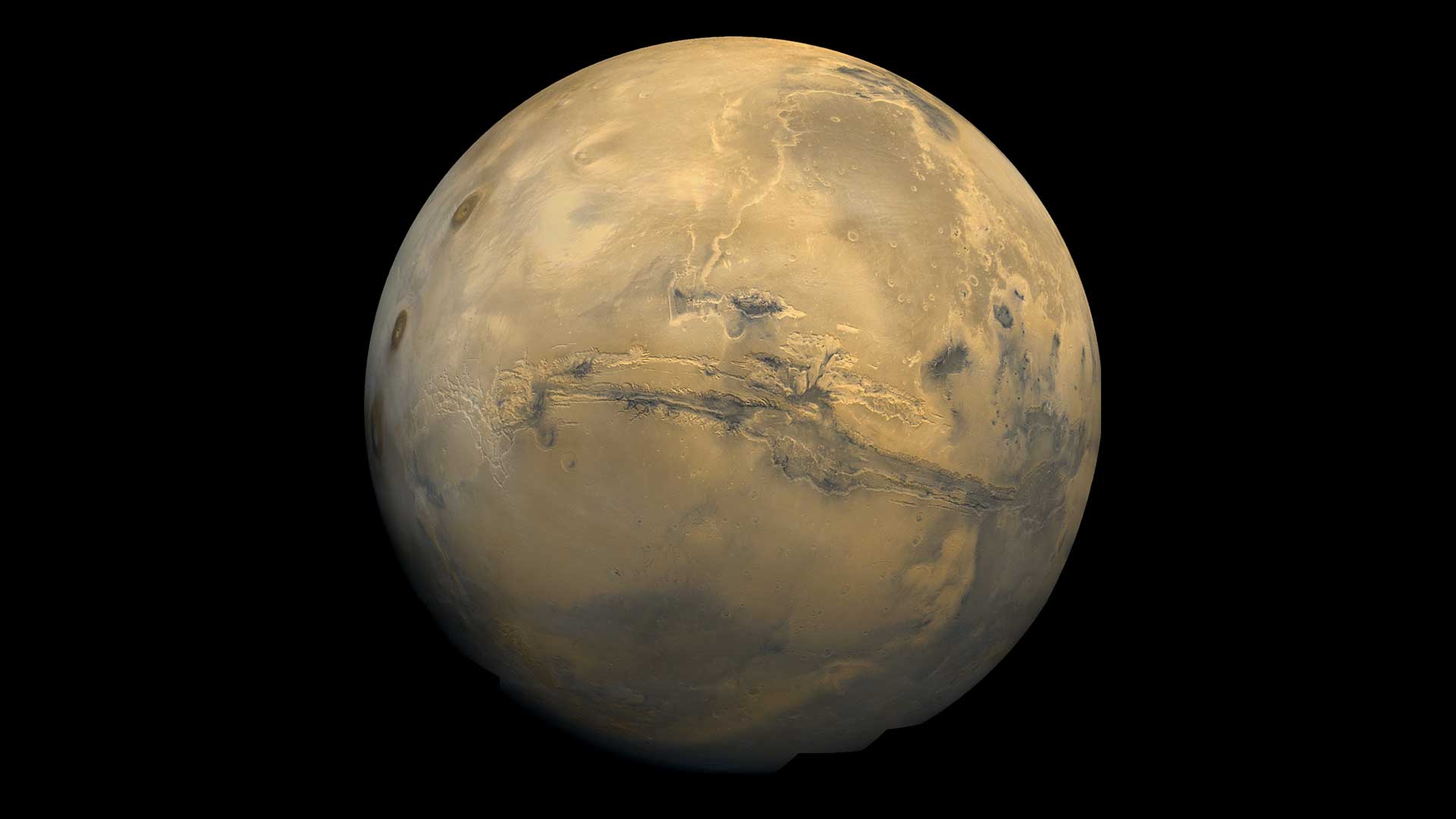
04Mars Facts
Mars – the fourth planet from the Sun – is a dusty, cold, desert world with a very thin atmosphere. This dynamic planet has seasons, polar ice caps, extinct volcanoes, canyons and weather.
 05
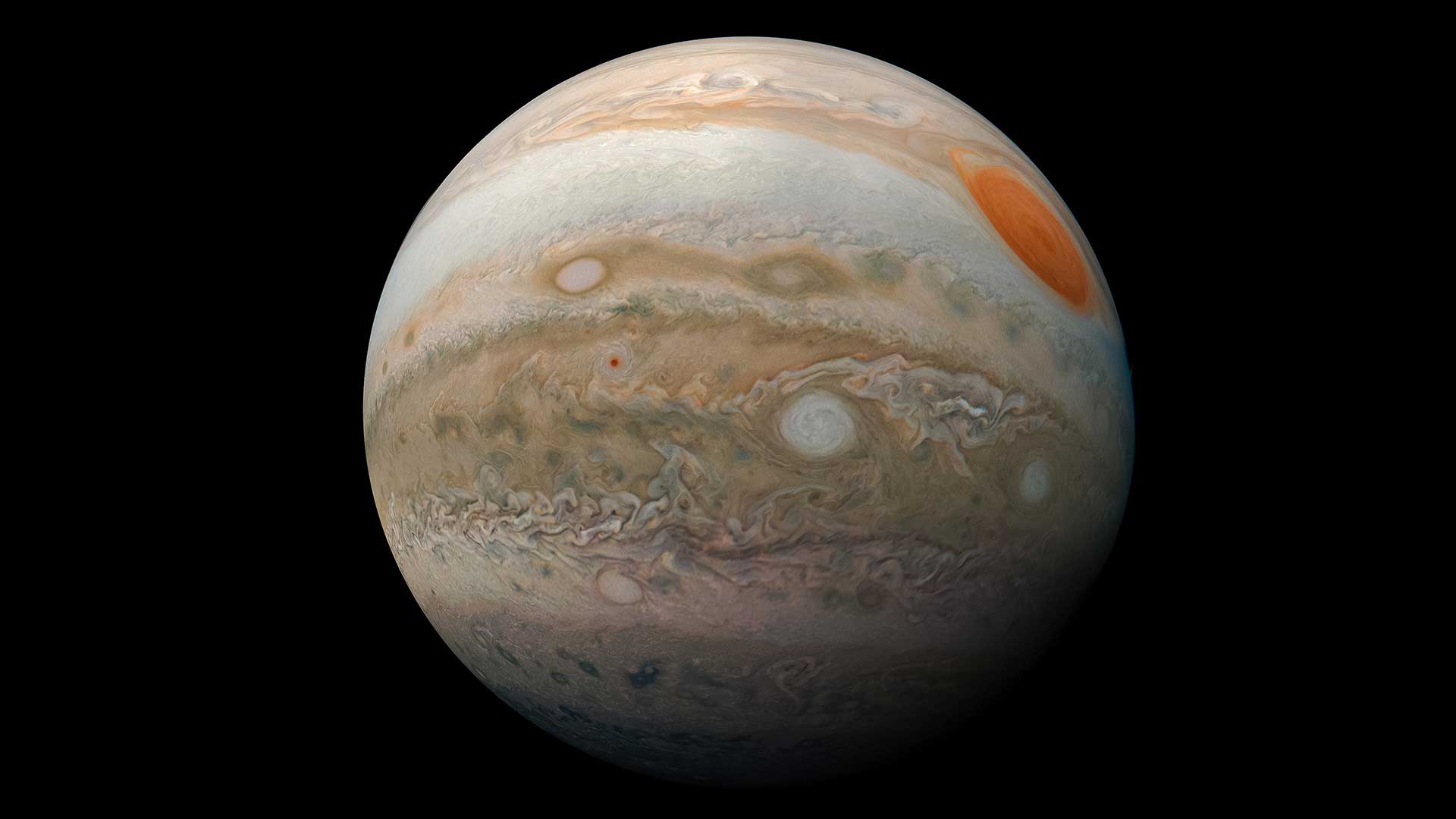
05Jupiter Facts
Jupiter is the largest planet in our solar system – if it were a hollow shell, 1,000 Earths could fit inside. It's also the oldest planet, forming from the dust and gases left over from the Sun's formation 4.5 billion years ago.
 06
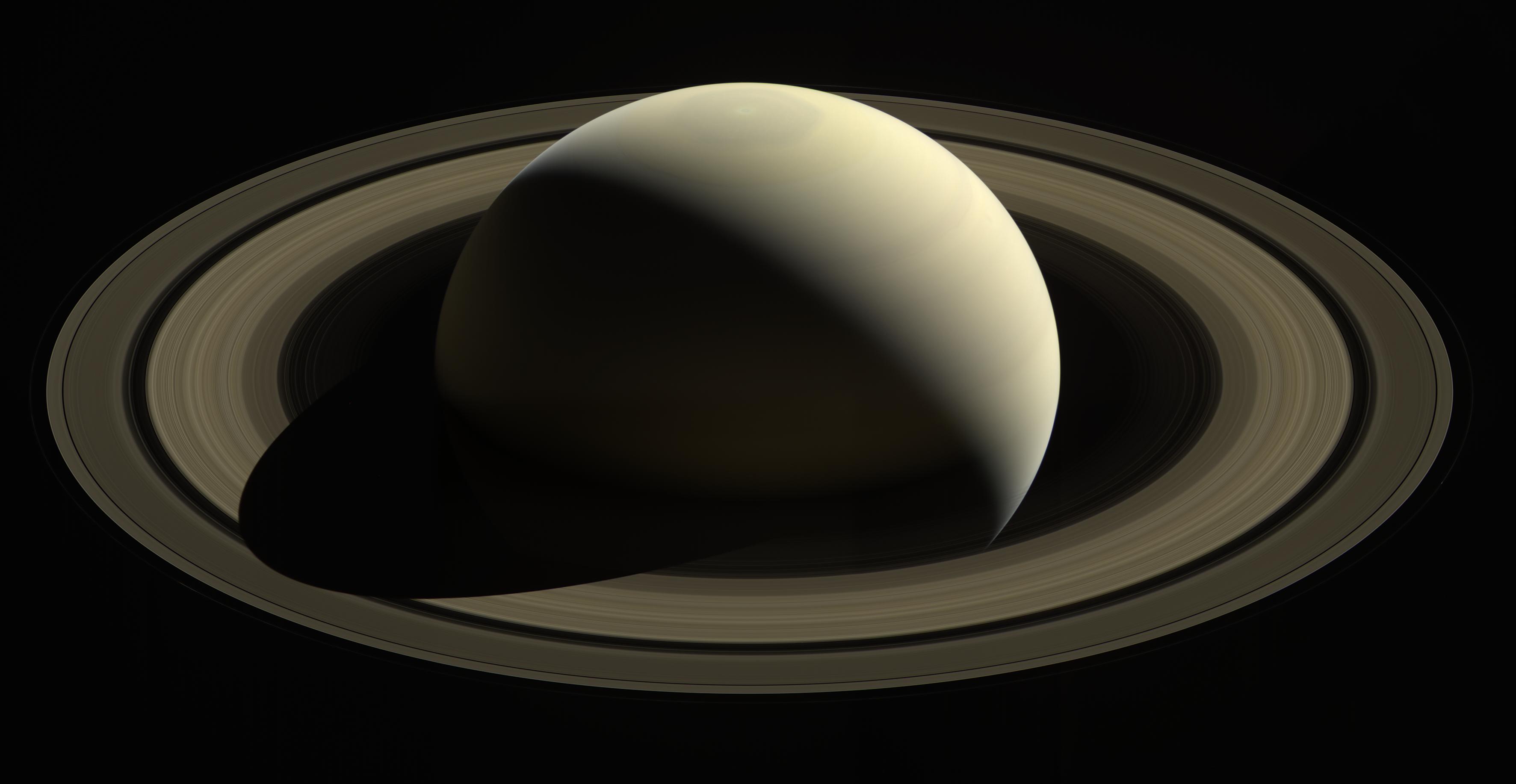
06Saturn Facts
Saturn is the sixth planet from the Sun, and the second-largest planet in our solar system. Saturn is surrounded by a spectacular ring system, and it has dozens of moons.
 07
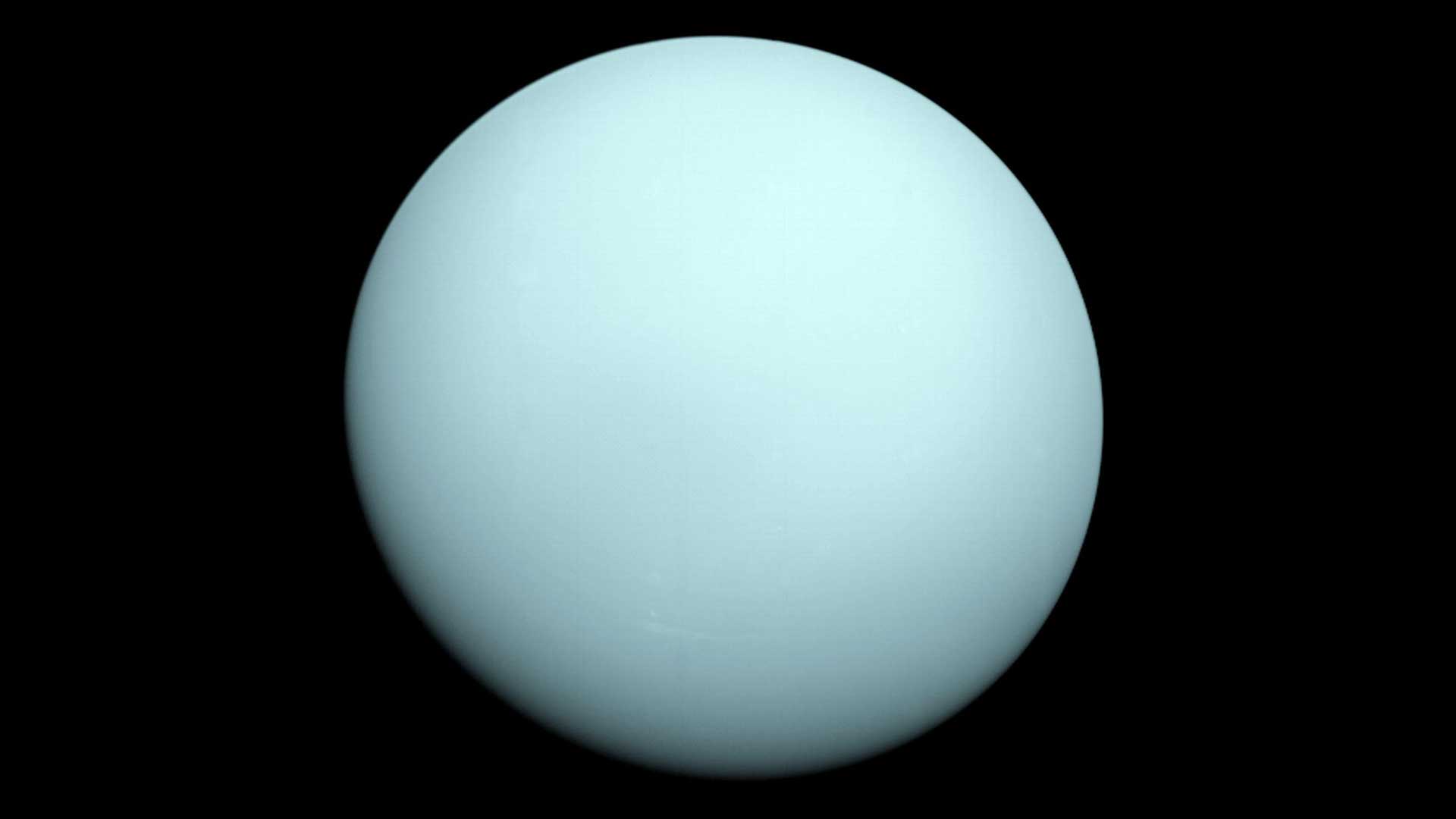
07Uranus Facts
Uranus is the seventh planet from the Sun, and it has the third largest diameter of planets in our solar system. Uranus appears to spin sideways.
 08
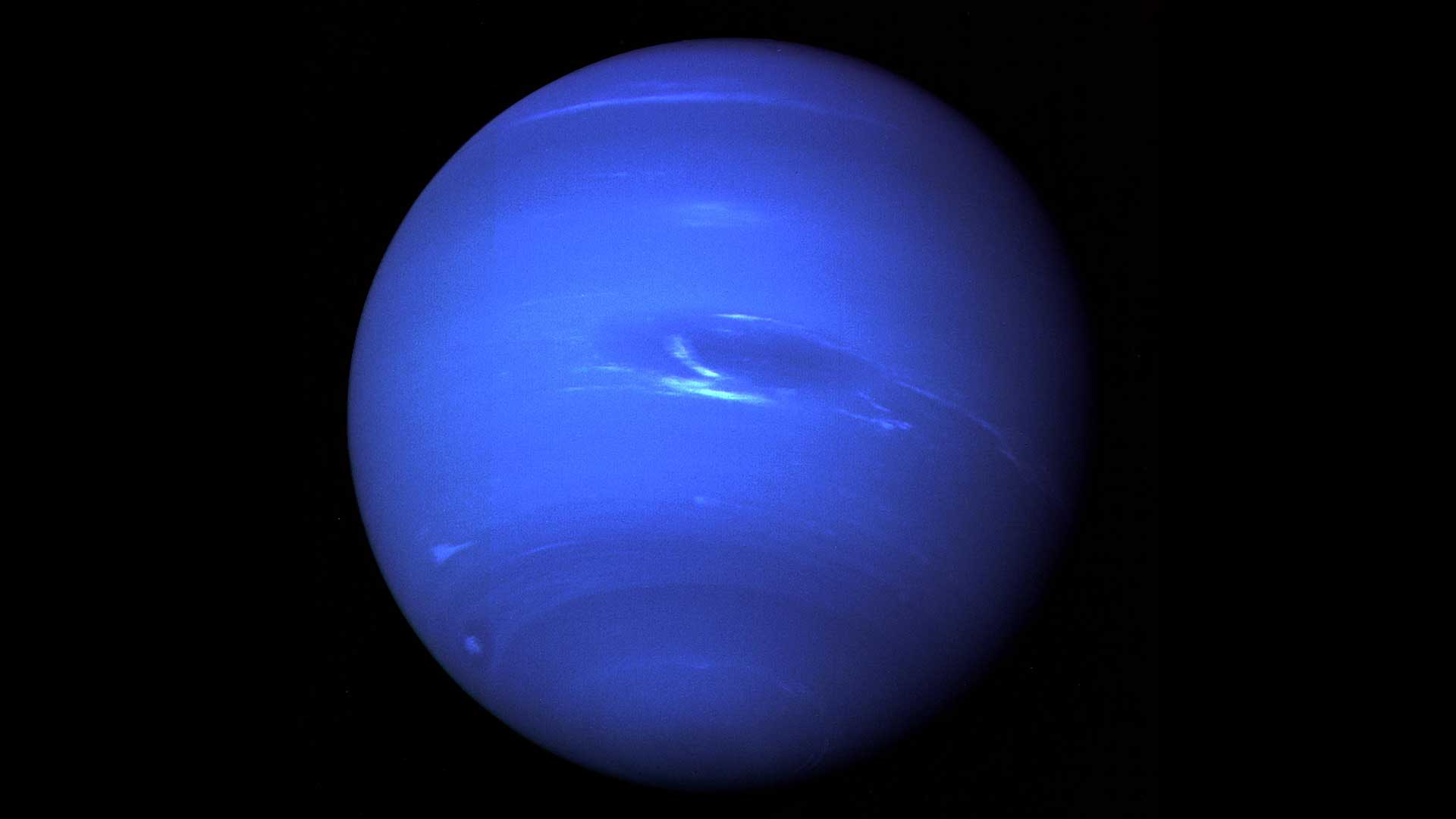
08Neptune Facts
Neptune is the eighth and most distant planet in our solar system. Dark, cold, and whipped by supersonic winds, ice giant Neptune is more than 30 times as far from the Sun as Earth.


Dwarf Planet Facts
 01
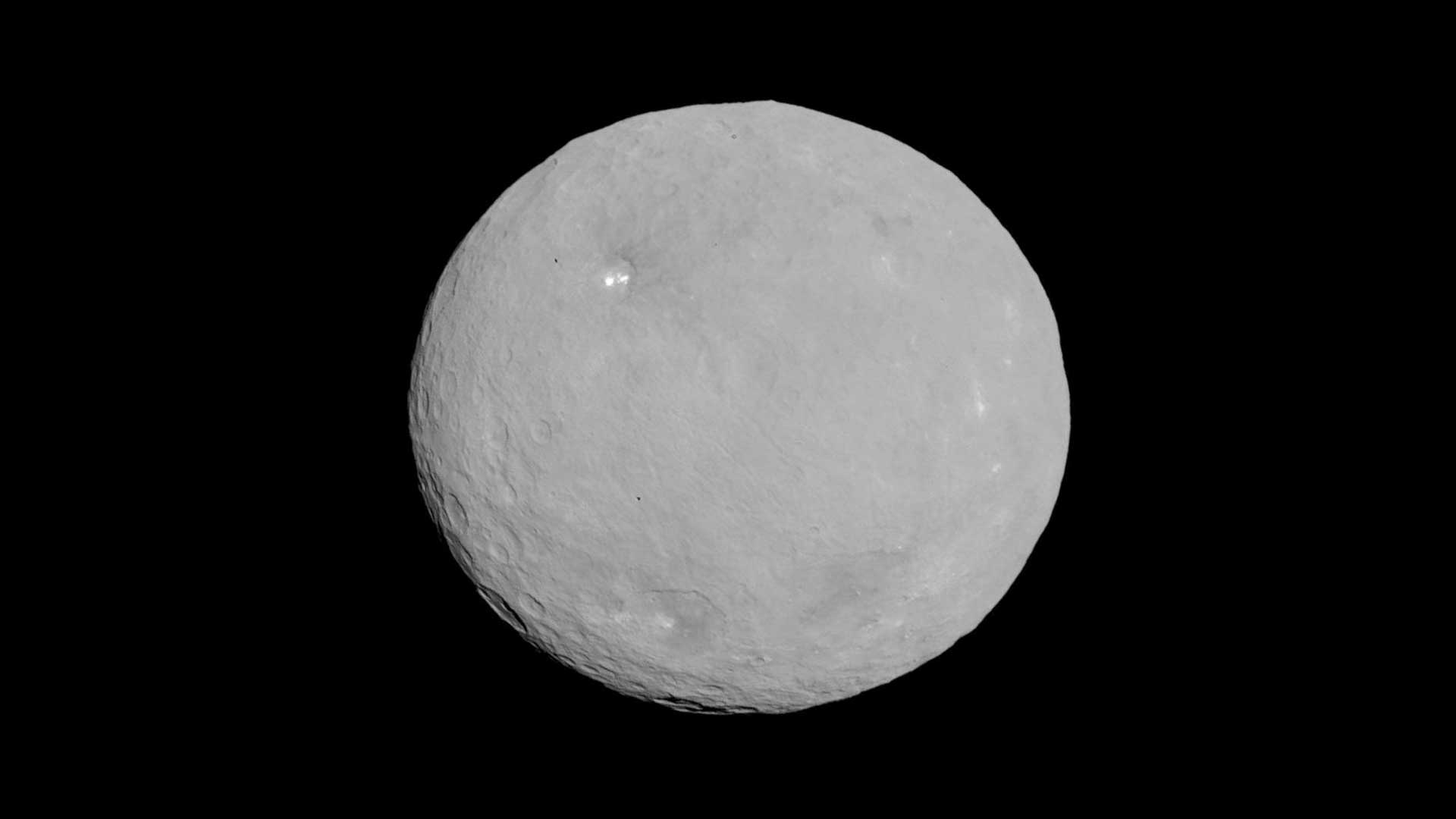
01Ceres Facts
Dwarf planet Ceres is the largest object in the asteroid belt between Mars and Jupiter, and it's the only dwarf planet located in the inner solar system. When NASA's Dawn arrived in 2015, Ceres became the first dwarf planet to receive a visit from a spacecraft.
 02
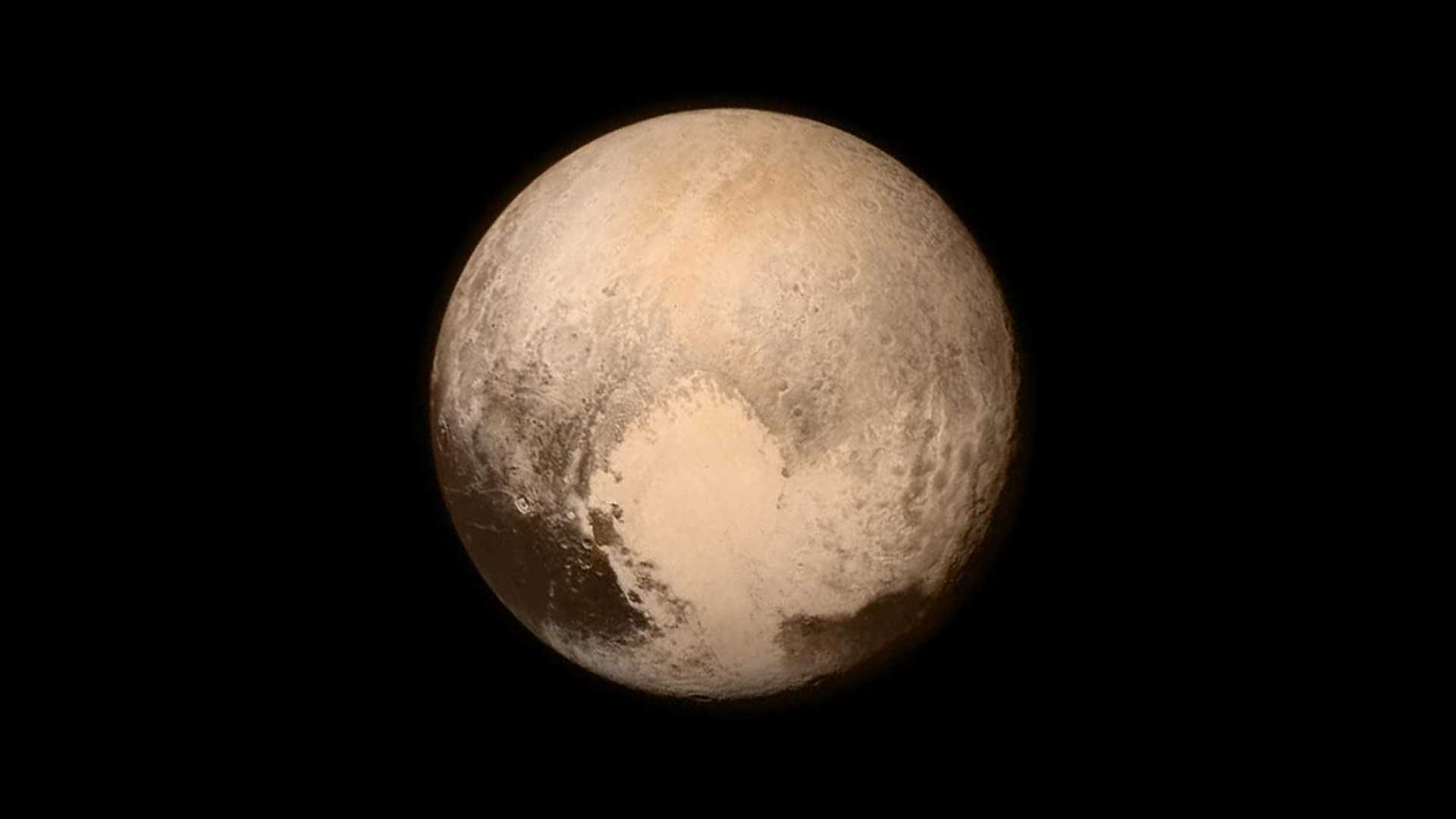
02Pluto Facts
Pluto was long considered our solar system's ninth planet. But after the discovery of similar intriguing worlds deep in the Kuiper Belt, tiny Pluto was reclassified as a dwarf planet in 2006 by the International Astronomical Union.
 03
03Haumea Facts
Haumea was nicknamed Santa by one discovery team. It's oval-shaped, and is one of the fastest rotating large objects in our solar system. The fast spin distorts Haumea's shape, making this dwarf planet look like a football.
 04
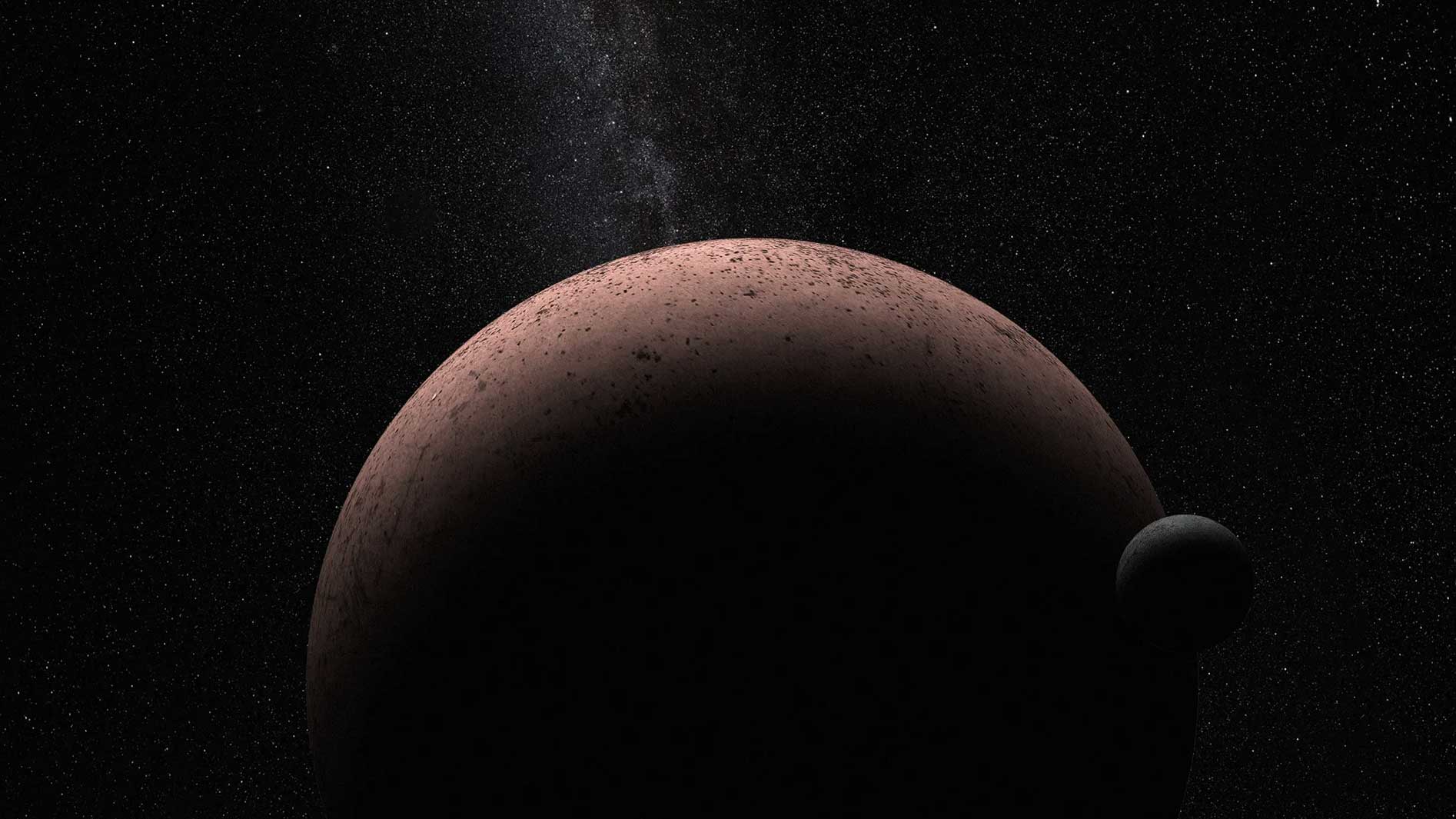
04Makemake Facts
Makemake is slightly smaller than Pluto, and is the second-brightest object in the Kuiper Belt as seen from Earth while Pluto is the brightest.
 05
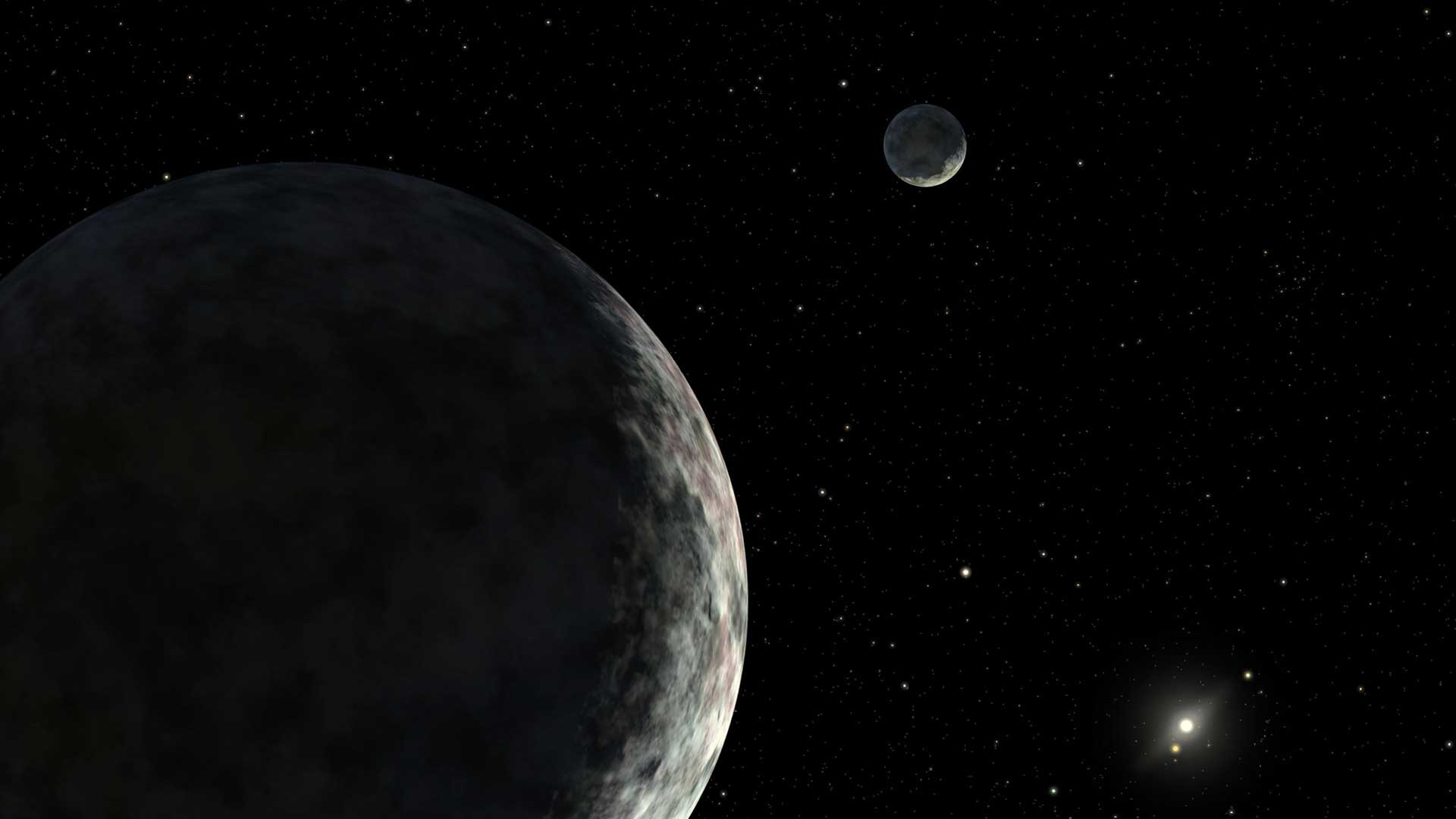
05Eris Facts
The discovery of Eris help trigger a debate in the scientific community that led to the International Astronomical Union's decision in 2006 to clarify the definition of a planet. Pluto, Eris, and other similar objects are now classified as dwarf planets.


Is There Another Planet in the Solar System?
It's an intriguing idea that might explains some current mysteries, but direct evidence of another planet has yet to be found.
Read more
Planet Sizes and Locations in Our Solar System
Our solar system has eight planets, and five officially recognized dwarf planets. Which planet is biggest? Which is smallest? What…
Read the Story